
AI Analysis Summary
The headlines indicate a dangerous convergence of multiple active conflict zones, with Iran striking Gulf infrastructure while the US threatens civilian targets in return, creating conditions for rapid escalation. The simultaneous strain on US military resources — evidenced by Tomahawk missile shortages caused by Iran strikes diverting supplies from Japan — suggests major power military postures are already stretched and interconnected. While no direct nuclear threats or formal great-power military alliances breaking down are evident, the multi-front nature of these conflicts (Ukraine-Russia, US-Iran, Gulf region) and the involvement of US, Russia, and Iran simultaneously elevates the systemic risk considerably.
Key Risk Factors
- Iran actively striking Gulf tech and infrastructure sites while Trump threatens retaliatory strikes on Iranian civilian infrastructure represents a direct US-Iran military confrontation that risks rapid escalation into a broader regional war
- US Tomahawk missile supplies to Japan are being delayed due to consumption in Iran operations, indicating US military resources are under significant strain and revealing dangerous interdependencies across the Pacific and Middle East theaters
- The ongoing Russia-Ukraine war continues to intensify, with Russia recruiting drone operators via financial incentives, while Ukraine adapts to operate without US aid — reducing diplomatic leverage and increasing autonomous military decision-making
- Trump sons’ drone venture seeking to sell interceptors to Gulf states under Iranian attack blurs the line between commercial and military interest, suggesting deeper and less regulated US entanglement in the Gulf conflict
- The EU urging a ceasefire to reopen the Strait of Hormuz signals a potential global economic chokepoint crisis, as closure of Hormuz would trigger energy market shocks affecting NATO allies and potentially drawing in additional great powers
Market Risk Projection
Based on current threat level (High — 62/100), here is how key asset classes are likely to react:
| Asset Class | War Risk Projection |
|---|---|
| S&P 500 / Equities | ↓ Major correction risk |
| Gold | ↑ Sharp rally expected — historic highs likely |
| Crude Oil | ↑ Major spike risk — $120+ possible |
| US Treasuries | ↑ Strong rally — yields fall sharply |
| Crypto (BTC) | ↓ Major crash risk — liquidity flight |
| USD Index | ↑ Strong rally — reserve currency demand spikes |
This is algorithmic risk modelling based on historical conflict correlations, not financial advice.
Important News Headlines
President Donald Trump said the US military “hasn’t even started” to destroy what is left of Iran after a month of devastating air attacks and he threatened to strike electrical power plants and more bridges in his latest warning to the regime in Tehran.
SHANGHAI, April 3, 2026 /PRNewswire/ — On April 2, a special taxi booking transaction was successfully completed in Hong Kong, China. After entering the booking information into the AI assistant developed by the technology company Evonet, the tester quickly …
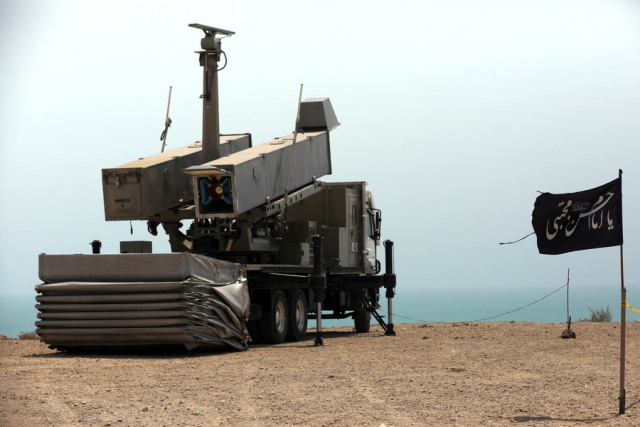
U.S. intelligence agencies estimate that about 50% of missile launchers and thousands of drones remain operational — “We can keep f@@@ing them, but you’d be crazy to think this will be over in two weeks,” a CNN source says The post CNN revelation: Iran’s arse…

What happened at the UN on Strait of Hormuz Bahrain moved to significantly water down a proposed U.N. Security Council resolution after facing opposition to language that would allow the use of force to open or secure the Strait of Hormuz. The core issue was …
Bridge collapse after reported strikes Iran’s tallest bridge near Tehran collapsed after reports that U.S. forces carried out airstrikes. Iranian officials and U.S. statements connected the incident to the ongoing military campaign connected to the broader Ir…
Background: securing a global chokepoint With tensions around Iran intensifying, multiple U.S. allies have been working on contingency planning for the Strait of Hormuz in case diplomatic efforts fail or the U.S. posture changes. This “plan B” effort is frame…
Hezbollah’s leader vows retaliation as Lebanon is pulled in Lebanon has been described as a front in the U.S. Israeli campaign aimed at Iran, and the story highlights an escalation tied to Hezbollah. On March 1, Hezbollah leader Naim Qassem pledged retaliatio…
Iran seen as “winning” as U.S. and Israel continue operations The story framing is that Iran did not start its war with the United States and Israel, but that more than a month into the conflict, the Islamic Republic is “clearly winning,” based on the observa…
Updated automatically by AI every few hours.