AI Analysis Summary
The headlines depict an active and rapidly escalating conflict involving Iran, Israel, and proxy forces including Hezbollah and the Houthis, with direct missile strikes already occurring. Major power fractures are evident as NATO allies diverge from U.S. policy under Trump, weakening the Western alliance architecture that historically deters global conflict. The combination of kinetic military action, chokepoint control of the Strait of Hormuz, and volatile great-power diplomacy places this scenario firmly in the high-risk category, though a full World War 3 scenario within 12 months remains more unlikely than likely due to continued diplomatic off-ramps and absence of direct U.S.-Russia or U.S.-China confrontation.
Key Risk Factors
- Active kinetic conflict: Iranian missiles have struck Israel and Houthi forces are launching ballistic missiles at Israel in coordination with Iran and Hezbollah, representing a multi-front military escalation beyond proxy skirmishing
- Strait of Hormuz chokehold: Iran’s assertion of control over one of the world’s most critical maritime chokepoints threatens global energy supply chains, creating severe economic warfare pressure that could trigger broader great-power intervention
- NATO alliance fracture: Macron publicly voicing European frustration with Trump over NATO criticism signals a dangerous erosion of the Western security architecture, reducing collective deterrence against further escalation
- Rhetorical escalation from major powers: Trump’s ‘back to the Stone Age’ language and Iran’s promises of ‘crushing’ retaliation create a high-risk environment where miscalculation or domestic political pressures could accelerate military action beyond current scope
- Multi-actor proxy coalition alignment: Coordinated action between Iran, Hezbollah, and Houthis against Israel suggests a structured war coalition is operational, raising the probability that a U.S. military response could trigger a broader regional war with global spillover effects
Market Risk Projection
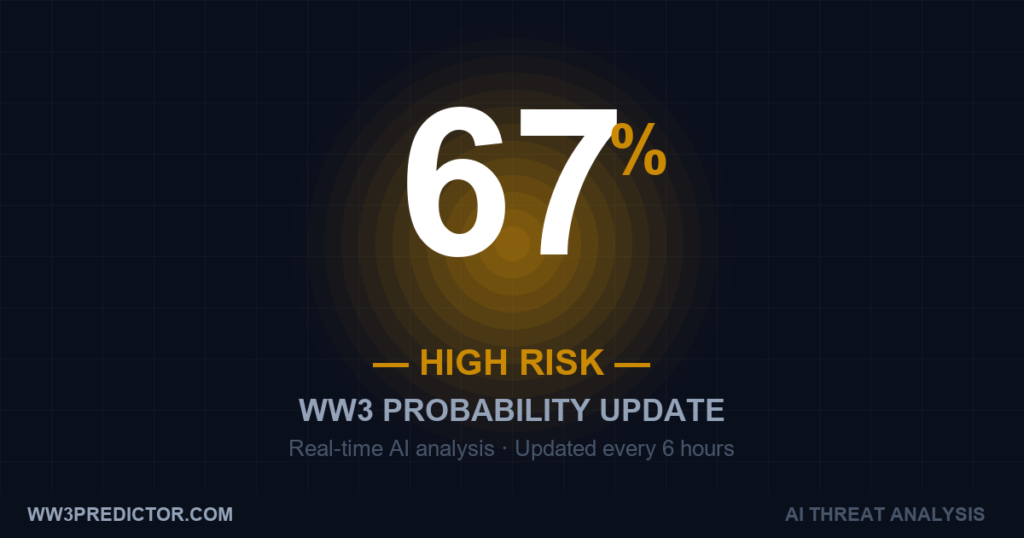
Based on current threat level (High — 67/100), here is how key asset classes are likely to react:
| Asset Class | War Risk Projection |
|---|---|
| S&P 500 / Equities | ↓ Major correction risk |
| Gold | ↑ Sharp rally expected — historic highs likely |
| Crude Oil | ↑ Major spike risk — $120+ possible |
| US Treasuries | ↑ Strong rally — yields fall sharply |
| Crypto (BTC) | ↓ Major crash risk — liquidity flight |
| USD Index | ↑ Strong rally — reserve currency demand spikes |
This is algorithmic risk modelling based on historical conflict correlations, not financial advice.
Important News Headlines

Are Bitcoin’s odds for a rally to $75,000 diminished by a weakening US economy, the war in Iran and multiple institutional BTC holders selling in the open market?

Pope Leo washed the feet of 12 priests in a ritual, using the moment to urge Catholics to stand with the oppressed.
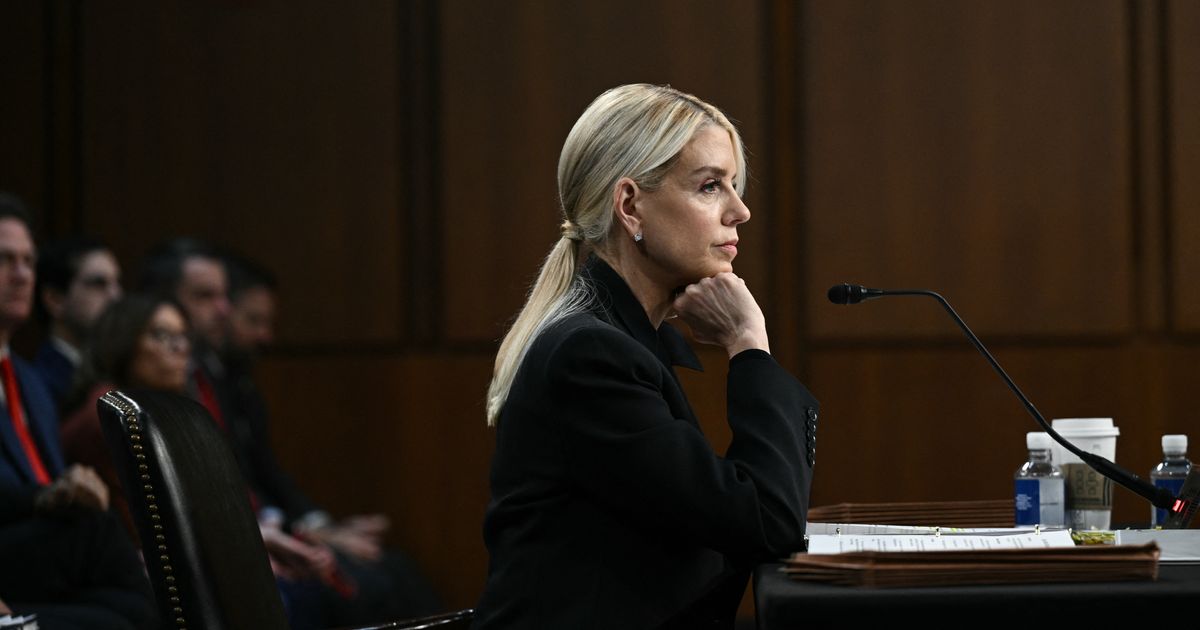
She was in office only for a year, but she left an appalling track record and permanent mark on the Justice Department, writes legal columnist Elie Honig.

Netflix revealed a first look at two new Peaky Blinders sequel series starring Jamie Bell as Duke Shelby, son of Cillian Murphy’s Tommy Shelby. Barry Keoghan played Duke in the recent film Peaky Blinders: The Immortal Man. The new cast also includes Charlie H…
What a creep.

Positive momentum continues to build after a wonderful World Baseball Classic followed a classic World Series. Here are five reasons we can’t take our eye of this game.
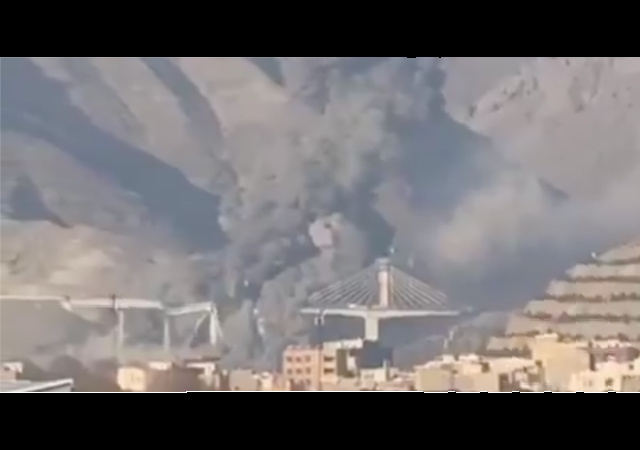
President Trump: “The biggest bridge in Iran comes tumbling down, never to be used again — Much more to follow!” The post Tehran Threatens Israel, Arab Neighbors After Iran’s Largest Bridge Destroyed in Strike first appeared on Le·gal In·sur·rec·tion.
Updated automatically by AI every few hours.