
AI Analysis Summary
The headlines suggest an active war involving Iran is already underway or in advanced stages, with cascading economic effects (fuel surcharges, gas price spikes) confirming a prolonged kinetic conflict rather than mere tensions. U.S. military and intelligence leadership appears fractured and politicized, reducing the reliability of de-escalation mechanisms, while mixed messaging on the Strait of Hormuz — a global chokepoint — signals dangerous ambiguity that could trigger miscalculation by multiple actors. The combination of an active Iran conflict, nuclear deception allegations, a destabilized Sahel, and dysfunctional U.S. civil-military relations elevates the risk of broader great-power entanglement significantly above typical regional conflict thresholds.
Key Risk Factors
- An ongoing ‘war in Iran’ is referenced across multiple headlines as an established fact, implying active military operations with global economic spillover, dramatically raising escalation risk given Iran’s alliances with Russia, China-aligned partners, and non-state proxies across the region.
- Allegations that Trump is ‘seeking to deceive’ on Iran’s nuclear program suggest a potential undisclosed nuclear dimension to the conflict, which — if Iran is pursuing or has achieved nuclear capability — represents the single most dangerous escalatory pathway toward a wider war.
- Mixed U.S. signals on securing the Strait of Hormuz create strategic ambiguity: failure to secure it could collapse global oil supply chains and draw in China, Japan, South Korea, and European powers with vital energy interests, while an aggressive move risks direct confrontation with Iran’s naval forces and proxies.
- Severe politicization of U.S. military and intelligence leadership — Hegseth intervening in senior officer promotions and potential removal of the intelligence chief — degrades institutional capacity for rational escalation management and crisis communication at the worst possible time.
- The Burkina Faso atrocity report highlights a broader fracturing of global security governance, with the Sahel’s Russia-aligned juntas, ongoing conflicts in Ukraine, and the Iran war simultaneously straining Western alliance cohesion and military resources, increasing the probability of opportunistic aggression by revisionist powers.
Market Risk Projection
Based on current threat level (High — 72/100), here is how key asset classes are likely to react:
| Asset Class | War Risk Projection |
|---|---|
| S&P 500 / Equities | ↓ Major correction risk |
| Gold | ↑ Sharp rally expected — historic highs likely |
| Crude Oil | ↑ Major spike risk — $120+ possible |
| US Treasuries | ↑ Strong rally — yields fall sharply |
| Crypto (BTC) | ↓ Major crash risk — liquidity flight |
| USD Index | ↑ Strong rally — reserve currency demand spikes |
This is algorithmic risk modelling based on historical conflict correlations, not financial advice.
Important News Headlines
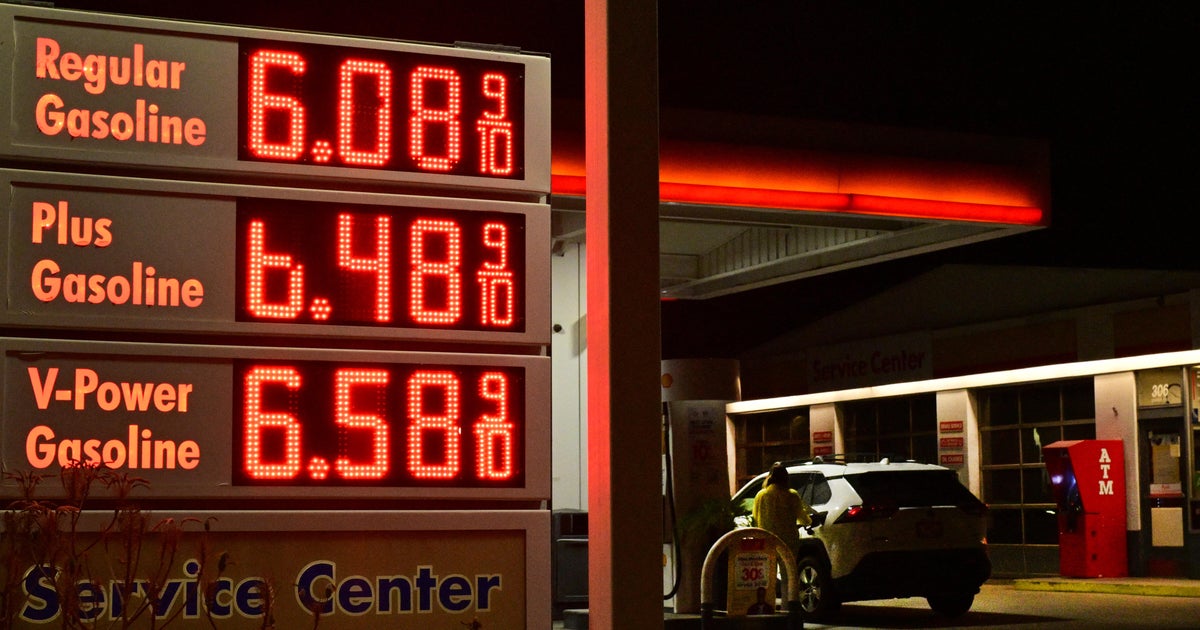
For years, California leaders accused oil companies of price gouging at the pump, but a state investigation found no evidence of that. Instead, a CBS News California investigation found what’s really driving the highest gas prices in the U.S.

Snark really is all that President Trump’s critics have left.
Statement by Ambassador James Kariuki, UK Chargé d’Affaires to the UN, at the UN Security Council meeting on Cooperation between the UN and the League of Arab States.
Donald Trump has yet again raised the prospect of the United States leaving Nato. The US president called the alliance a ‘paper tiger’ and said he ‘was never swayed by Nato’. It is tempting to dismiss it as political theatre. But this time feels different. Tr…

Last week, educational influencer Zhang Xuefeng passed away suddenly from a cardiac arrest at the age of 41. On Saturday, huge crowds thronged the streets near a funeral home in Suzhou to pay tribute to the “entrance exam guru” who had advised so many young p…
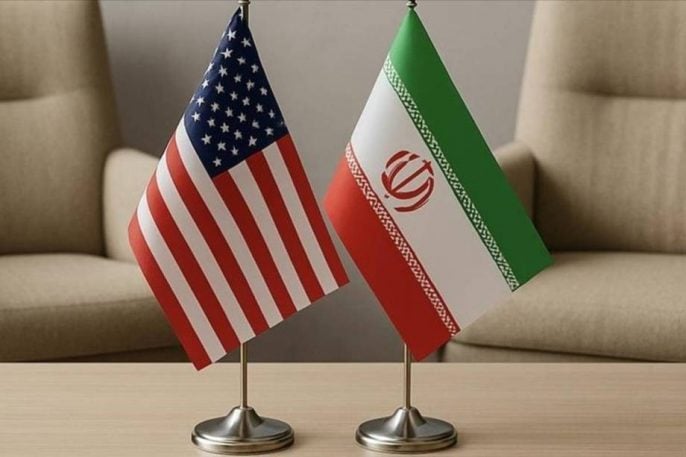
Increased tensions and military posturing could lead to further instability in the Gulf region, impacting global economic and security dynamics. The post Iran reveals Gulf bridge targets as US-Iran ceasefire odds plummet to 2% appeared first on Crypto Briefin…
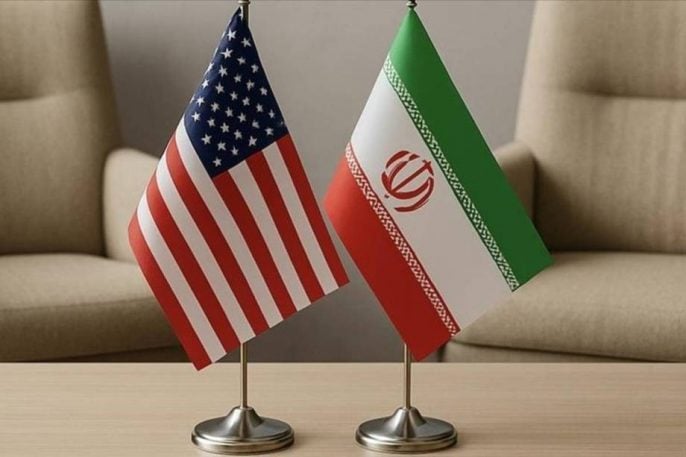
The escalation reduces diplomatic prospects, impacting market confidence and highlighting the need for strategic peace interventions. The post Iran lists Gulf bridge targets after coalition strike, US ceasefire odds plummet appeared first on Crypto Briefing.

Amazon is slapping a 3.5 per cent fuel and logistics surcharge on third-party sellers using its platform starting later this month amid a spike in fuel prices since the war in Iran started.
Updated automatically by AI every few hours.